What You Walked Past in That Market Knows You Better Than You Think
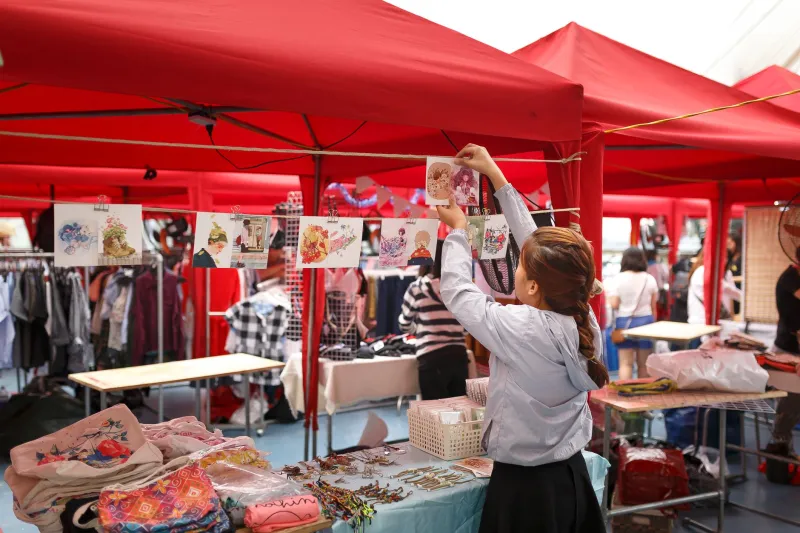
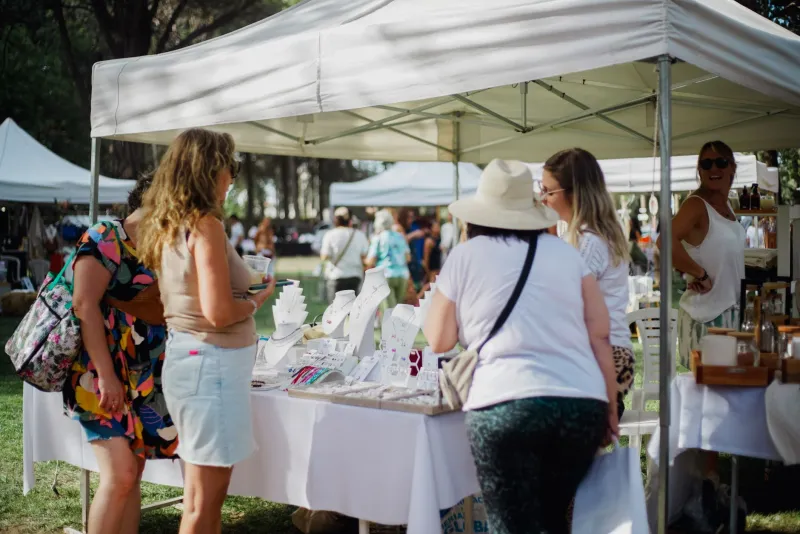
There's a specific kind of market smell that lives in your memory long after the trip ends. Incense and sawdust and something frying nearby. You're moving through a maze of stalls — textiles stacked to the ceiling, ceramic tiles in colors you don't have names for, tiny brass figurines of things that meant something to someone, somewhere. And then you pick something up, turn it over, feel its weight, and put it back.
You move on. You buy nothing.
That moment is doing more work than you realize.
The Cart You Abandoned Was a Mirror
Most travel writing celebrates what we bring home. The handwoven basket from Oaxaca. The leather journal from Florence. The ridiculous hat that somehow became your whole personality for six days in Cartagena. And those things matter — they're physical anchors to real experiences, and there's nothing wrong with wanting them.
But the stuff you almost bought? The things you picked up, considered, and set back down? That's where the real story lives.
Think about the last time you traveled somewhere with a market or a row of shops. Think about the thing you almost bought. Not the thing you bought — the thing you didn't. There was probably a reason. Maybe it was the price. Maybe it was the weight in your carry-on. Maybe you just stood there, item in hand, and realized you didn't actually want it. You wanted to want it. You wanted to be the kind of person who buys that particular thing in that particular place.
That gap — between the thing and the wanting — is worth sitting with.
When the 'Perfect Souvenir' Stops Being Perfect
Early in my traveling life, I bought everything. Snow globes (I know), refrigerator magnets, small paintings from street vendors, shot glasses I never used. My apartment looked like a gift shop had lost a fight with a storage unit. Every item was supposed to prove I'd been somewhere, that I'd had experiences, that I was that kind of person.
At some point, something shifted. I started putting things back. Not out of restraint exactly — more like a quiet internal voice that started asking: do you actually want this, or do you want people to know you were here?
That question changed everything.
The first time I walked through a market in New Mexico and bought absolutely nothing — not even a small thing, not even a postcard — I felt weirdly guilty about it. Like I'd cheated the trip somehow. Like the experience didn't count without a receipt. But I also walked out lighter than I'd walked in, and not just physically. Something about choosing not to acquire felt like its own kind of growth.
What Your Non-Purchases Are Actually Tracking
Here's the thing about souvenir shopping that nobody really talks about: it's a values test in disguise.
When you stand in front of a display of mass-produced keepsakes at some tourist market and feel nothing, that's information. When you pick up a hand-thrown piece of pottery and your first thought is where would I even put this, that's information too. When you fall in love with a $400 woven blanket and spend twenty minutes deciding before walking away, that's definitely information — and probably the most interesting kind.
What you're drawn to tells you what you romanticize about a place. What you put back tells you what you've stopped performing. The gap between attraction and action? That's where your actual travel values live.
Over time, if you pay attention, you'll notice patterns. Maybe you stopped buying decorative things and started buying functional ones — a good knife from a Japanese market, a sturdy bag from a leather district in a city you loved. Maybe you stopped buying objects altogether and started spending that money on an extra meal, a longer walk, a museum you almost skipped. The pivot from stuff to experience isn't a cliché — it's a real shift, and it tends to happen quietly, one abandoned purchase at a time.
The Souvenir You Talked Yourself Out Of
There's a particular category of non-purchase that haunts travelers in a way the bought things never do: the thing you loved, could have afforded, and still walked away from.
Maybe it was too fragile to travel with. Maybe you told yourself you'd come back for it. Maybe you just couldn't justify the luggage fees. Whatever the reason, you left it behind — and some version of it has been living in your head ever since.
I'd argue that this phantom object is more valuable than anything you actually brought home. Not because you should have bought it. But because the fact that it still lives in your memory means it touched something real. It wasn't a transaction. It was a moment of genuine connection — to a place, to a craft, to a version of yourself that briefly considered a different kind of life.
The thing you didn't buy is the one that got to stay perfect. It never faded, never got dusty, never ended up in a donation box three years later. It exists in the best possible form: as a feeling.
Traveling Lighter, Carrying More
At some point, most experienced travelers start to notice that the trips they remember most vividly aren't the ones where they came home loaded with stuff. The memories that stick tend to be sensory, relational, accidental — a conversation, a rainstorm, a meal eaten standing up at a counter because there were no seats left.
The impulse to buy something in a new place is deeply human. We want to hold onto the feeling. We want proof. We want something to point to when someone asks how the trip was.
But here's what years of wandering will quietly teach you: you don't need the object to keep the experience. And the moment you start trusting that — really trusting it, not just saying it — is the moment your relationship with travel changes completely.
You start moving through markets differently. More slowly, with more attention. You pick things up not because you might buy them but because touching something handmade in a place you've never been is its own form of presence. You look the vendor in the eye. You ask where something came from. You set it back down gently, like you mean it.
You walk out empty-handed and completely full.
And somewhere in the back of your mind, you're already carrying the thing you left behind — which is exactly where it belongs.