The One You Left on the Shelf Is the One You'll Never Forget
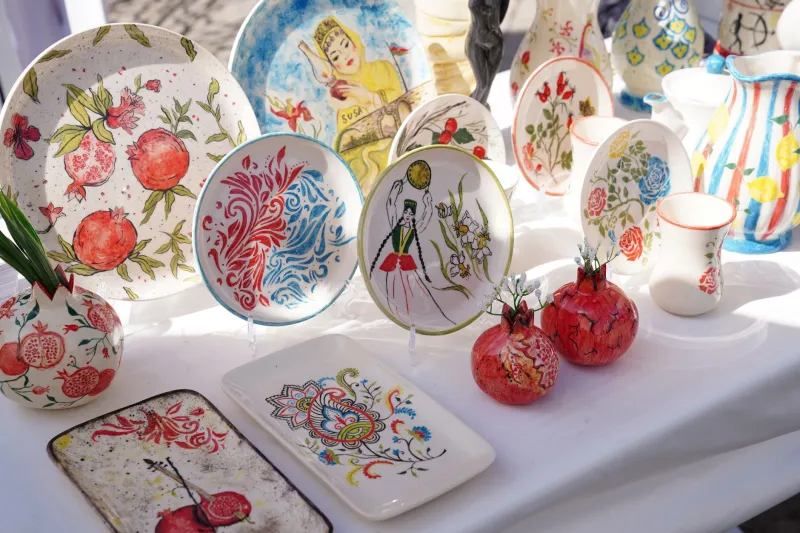
There's a small ceramic bowl I didn't buy in Oaxaca. Deep indigo glaze, slightly uneven on one side — the kind of imperfection that tells you a human hand made it. I picked it up, turned it over, set it down. Told myself it was too fragile to pack. Walked away.
That was four years ago. I still think about it more than anything I actually brought home from that trip.
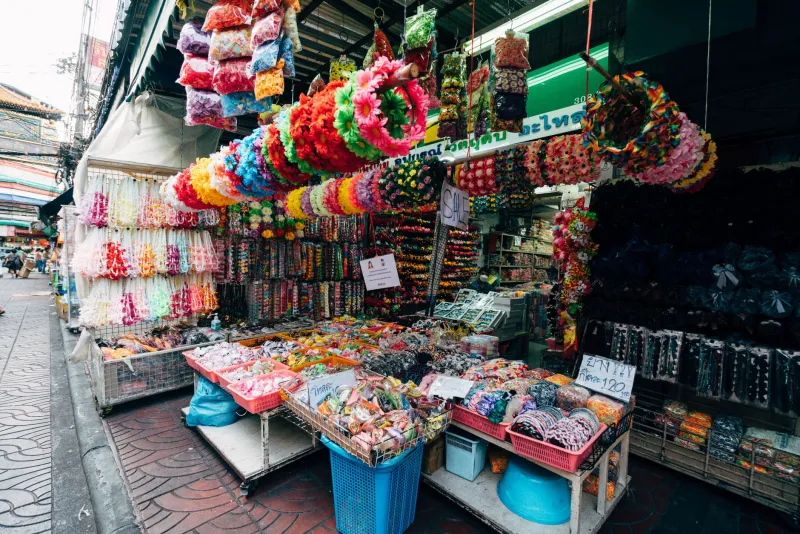
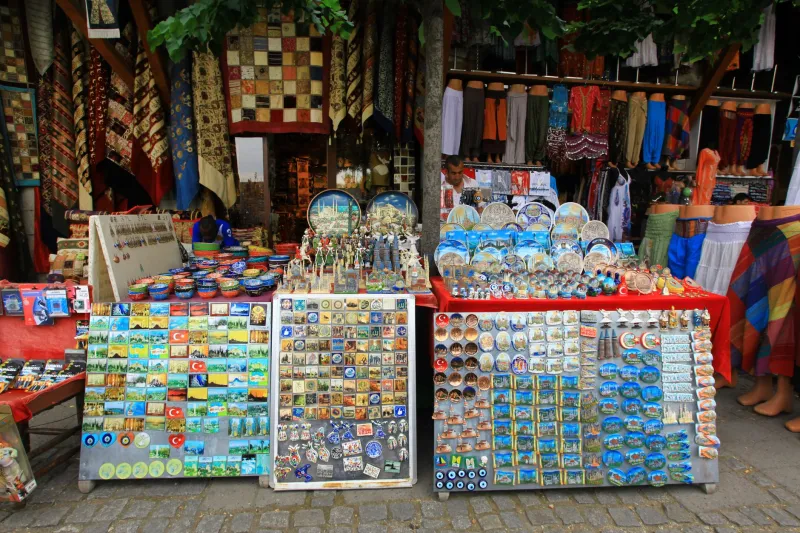
If you've traveled even a handful of times, you know this feeling. The hand-carved mask you almost grabbed at a market in New Orleans. The worn leather journal at a bookshop in Portland. The wool blanket folded on a table in a tiny Colorado mountain town. You touched it, considered it, left it behind — and now it lives in your head rent-free, more vivid than half the photographs on your phone.
Why does that happen? And what does it say about the way we actually remember travel?
The Stories We Build Around the Ones That Got Away
Here's the strange psychology of it: when you buy something, the story mostly ends. You wrap it in a shirt, stuff it in your carry-on, set it on a shelf at home. It becomes a static object in a familiar environment. The trip it came from slowly fades around it.
But when you don't buy something, your brain keeps the story open. It stays in motion. You imagine the bowl in your kitchen, morning light hitting that indigo glaze over coffee. You wonder who made it, whether someone else bought it, whether it's still sitting on that same table. You return to it, mentally, over and over — filling in the gaps with your own invented narrative.
Psychologists call this the "Zeigarnik effect" — the tendency for incomplete tasks and unresolved situations to occupy more mental space than finished ones. Your brain flags the un-purchased object as unfinished business. It keeps pinging you. And in doing so, it accidentally preserves the memory of the trip in a way that closure never quite manages.
The thing you left behind becomes a placeholder for everything you felt in that moment.
It's Not Really About the Object
Let's be honest about what we're actually mourning when we replay these near-misses.
It's not the bowl. It's not the journal or the blanket. It's the version of yourself who was standing in that market, in that light, in that particular state of openness that travel creates. The object was just the anchor point. It's the feeling you're trying to recover — and the frustrating truth is that no souvenir, purchased or not, can fully do that job.
That's what makes the almost-bought ones so potent. Because you never tested them against real life, they remain forever associated with the trip itself. They never had a chance to become just another thing on a shelf. They stayed pure.
The ceramic bowl will always be Oaxaca to me. If I'd bought it and it was sitting in my cabinet right now, it might just be a bowl I'm slightly afraid to put in the dishwasher.
The Guilt We Carry for Leaving Things Behind
There's another layer here that doesn't get talked about enough: the low-grade guilt of the unchosen object.
For a lot of us — especially those of us raised in a culture that equates acquisition with experience — leaving something behind can feel like a small failure. Like we didn't fully commit to the moment. Like we were being cheap, or overly practical, or just not present enough to recognize what we had in front of us.
That guilt compounds the memory. The bowl isn't just a bowl; it's evidence of a moment I second-guessed myself. And second-guessing is something the brain loves to revisit.
But here's a reframe worth sitting with: maybe leaving it behind was the most honest thing you could have done. Maybe your instinct to walk away wasn't timidity — it was a kind of respect. You recognized that the object belonged to that place, to that moment, to that table in that market. Taking it home might have been the lesser act.
What You Actually Carry Home
Travel writers — myself included — spend a lot of time arguing that experiences matter more than things. That the real souvenirs are intangible: the language phrases you picked up, the meal you ate standing at a counter, the conversation with a stranger that shifted something in you.
The almost-bought object is proof that we actually believe this, even when we don't think we do.
You left the bowl on the table. You walked away. And four years later it's more alive in your memory than the magnet on your fridge or the tote bag you grabbed at the airport. The market, the smell of smoke and marigolds, the quality of afternoon light in that particular alley — all of it got attached to that one small act of restraint.
You didn't buy the thing. And the thing became the trip.
A Different Way to Move Through Markets
I'm not suggesting you never buy anything. A well-chosen object can be a genuinely powerful anchor for memory and meaning. The key word is chosen — not grabbed out of obligation, not purchased to prove you were there, not hauled home because it seemed like the kind of thing a person who travels is supposed to own.
But next time you're at a flea market in Nashville, or a craft fair in Santa Fe, or a street stall somewhere you've never been before — try this: pick something up. Really look at it. Let yourself want it. And then make a conscious decision, one way or the other.
If you buy it, buy it because it genuinely means something, not because you're afraid of the regret.
And if you put it back — if you walk away — don't apologize for that. Notice what happens in the weeks and months that follow. Notice whether it stays with you. Notice what it keeps trying to tell you about the trip.
Because sometimes the most honest souvenir is the one you left exactly where you found it, in the place where it always belonged.
The bowl is still in Oaxaca. Or it isn't. Either way, it's mine now — and I never paid a cent for it.