Your Next Great Adventure Is Probably Within a Two-Hour Drive
Somewhere between saving up for that flight to Southeast Asia and refreshing Airbnb listings in Tuscany, most of us blow right past something remarkable: the fact that we've never actually seen where we live.
Not really. Not the way a traveler sees a place.
We drive through it. We run errands in it. We complain about its winters or its traffic or its lack of good ramen. But we don't explore it—not with the open-eyed curiosity we'd bring to a city we'd never visited before. And that's a strange kind of loss, when you think about it.
This is the core paradox of modern travel culture: the further something is, the more we assume it's worth seeing.
Why We Dismiss What's Close
Psychologists have a term for this—psychological distance. The basic idea is that we perceive things that are far away (in space, time, or social connection) as more abstract, more idealized, more meaningful. A waterfall in Iceland feels transcendent. A waterfall two counties over is just... a thing you've been meaning to check out.
Add to that the social currency of travel. Posting photos from Morocco or Patagonia earns a different kind of admiration than sharing a weekend trip to a state park an hour from your house. We're not just traveling for ourselves anymore—we're traveling for the story it tells about us. And somehow, "I drove forty minutes to hike a trail I'd never done before" doesn't quite carry the same weight.
But here's what's quietly wild about that: the trail is still there. The experience is still real. And often, it hits harder than the trip you saved for two years to take.
The Familiarity Trap
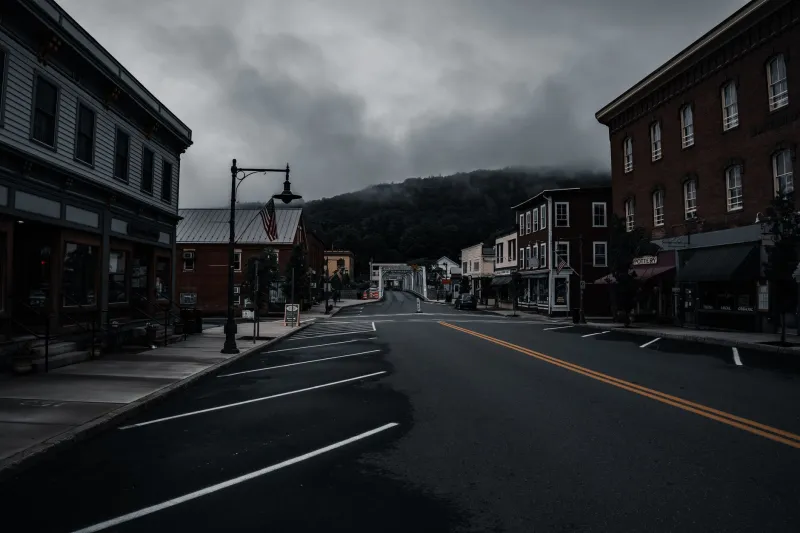
Talk to enough travelers and you'll start noticing a pattern. The experiences they describe as genuinely life-changing aren't always the ones that required a passport. Sometimes it's a long weekend road trip through rural Appalachia. A solo camping trip to a state park in Michigan they'd driven past a hundred times. A day spent wandering a neighborhood in their own city they'd never had a reason to visit.
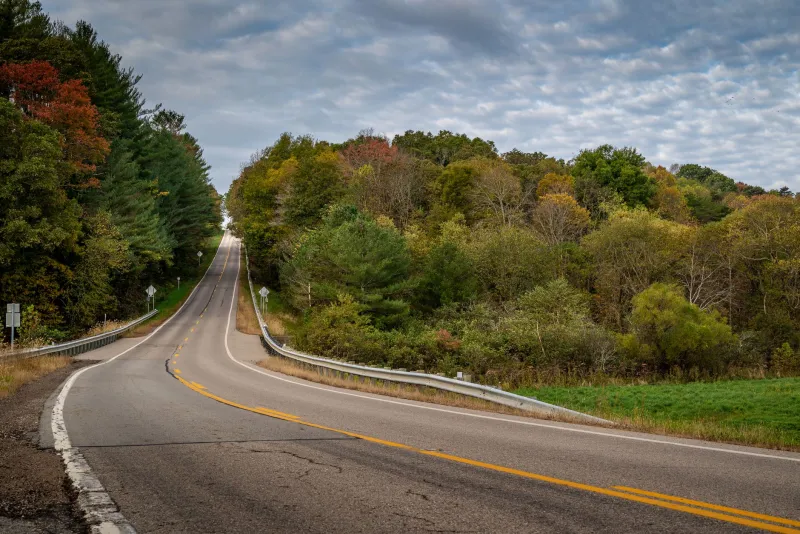
Marcus, a 38-year-old teacher from Columbus, Ohio, told me he'd traveled to a dozen countries before he finally took a solo weekend trip through the rural southeastern corner of his own state. "I genuinely did not know that existed," he said. "The landscape, the little towns, the way people talked—it felt like a completely different world. And I'd lived in Ohio my whole life."
That's not unusual. It's actually the norm. Most of us have a geographic blind spot the size of our own backyard.
Treating Home Like Foreign Territory
The shift that changes everything is surprisingly simple: approach your own region the way you'd approach somewhere you've never been.
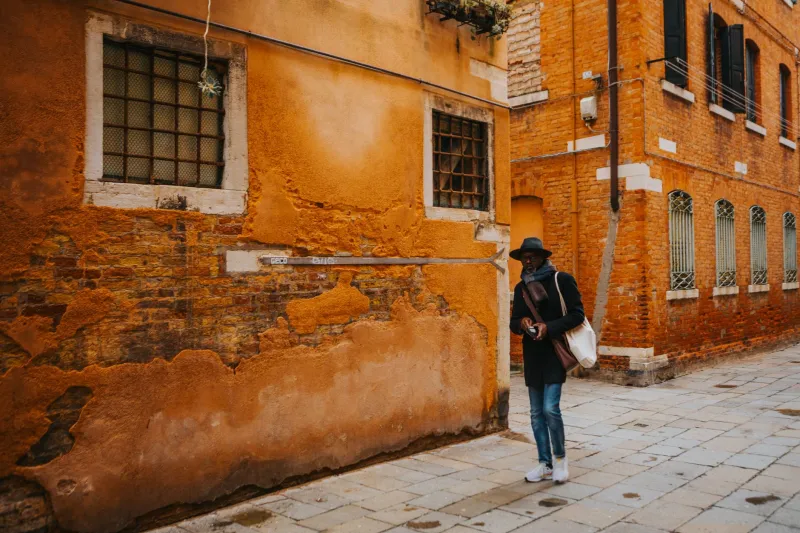
Book a place to stay instead of sleeping in your own bed. Leave your car parked and walk. Eat at restaurants you'd never default to. Ask locals questions you'd ask a stranger in a foreign country. Get lost on purpose.
When you stop moving through a place on autopilot and start actually looking, familiar geography becomes genuinely strange—in the best possible way.
Diana, a freelance photographer based in Albuquerque, started doing what she calls "tourist Tuesdays" about three years ago. Once a month, she picks a spot within 90 minutes of home and spends the day treating it like a travel destination. She researches it beforehand, brings her camera, and writes a few notes afterward. "I've found places that genuinely took my breath away," she said. "And I've lived in New Mexico for fifteen years. It's embarrassing how much I was missing."
The Deeper Case for Nearby Travel
There's something else worth saying here, and it goes beyond just "you might be surprised."
Close-to-home travel builds a different kind of relationship with place. When you're in Tokyo or Buenos Aires, you're a visitor passing through—and that's wonderful, don't get me wrong. But when you explore a region you're actually rooted in, you start to develop accountability to it. You notice what's thriving and what's struggling. You spend money in communities that are part of your larger world. You come home with something more than photos—you come home with context.
That's a quieter kind of transformation, but it's real.
There's also something to be said for the accessibility of it. Not everyone has the budget, the time off work, or the logistical freedom to take international trips. Treating nearby travel as legitimate—as worthy of the same curiosity and intention we bring to expensive adventures—opens the door to meaningful exploration for a lot more people.
Build Your Reverse Bucket List
Here's a challenge worth taking seriously: make a list of places within three hours of your home that you've never visited. State parks, small towns, historic sites, regional food destinations, weird roadside attractions—whatever pulls at you.
Then treat that list the way you'd treat your big-dream travel bucket list. Plan for it. Show up with intention. Put the phone down long enough to actually be there.
You might find that the place you've been looking past your entire life has been waiting to show you something you didn't know you needed to see.
The world is enormous and worth exploring in every direction. But sometimes the most honest adventure starts closer than you think—and hits harder than you ever expected it to.