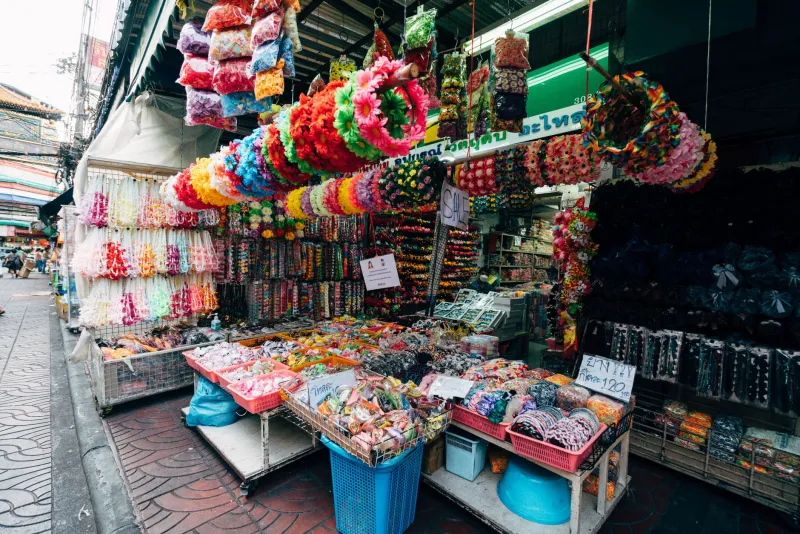
So What If It Was Ordinary? Why Loving a 'Boring' Destination Is Nothing to Apologize For
Somewhere between the flight home and the first time someone asked you about your trip, the doubt crept in.
You had a genuinely good time. You ate well, slept well, wandered around without a plan and felt something loosen inside your chest. But now, sitting across from your coworker who just got back from trekking Patagonia, or scrolling past the fourteenth Amalfi Coast reel this week, you're quietly editing your own experience. Making it smaller. Hedging.
It was fine. Nothing crazy. Just kind of... nice.
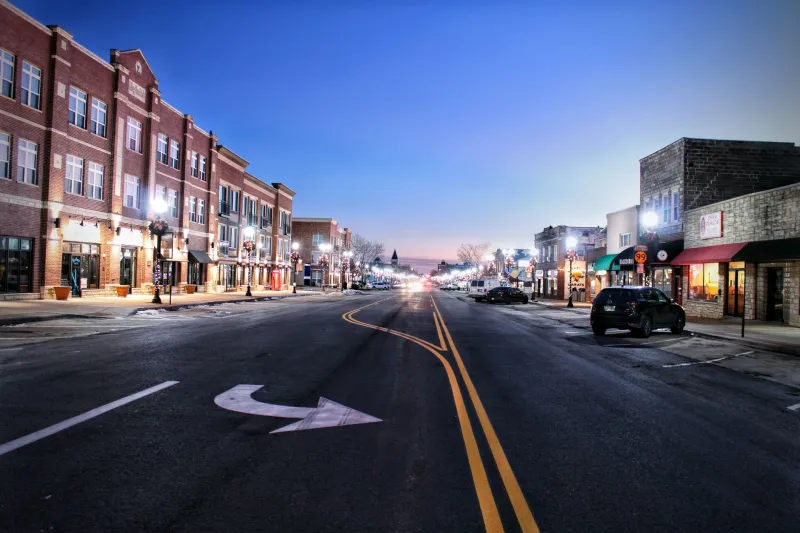
You didn't go to a place that makes people's eyes go wide. You went somewhere that people describe with a shrug — a mid-sized city in the Midwest, maybe. A beach town that isn't the one on the magazine cover. A state park that doesn't have its own hashtag. And somehow, inexplicably, you loved it. And now you feel like you need to explain that.
You don't. But let's talk about why you feel like you do.
The Hierarchy Nobody Admits Is Real
Travel has a class system, and it's more rigid than most people want to acknowledge.
At the top: remote, difficult, expensive, or exotic. Destinations that require sacrifice to reach, that carry a certain cultural cachet, that look undeniable on a grid. Below that, a murky middle tier of places that are acceptable to enjoy if you frame them correctly — the underrated gem, the hidden local favorite, the place that's actually better than the tourist traps. And then, somewhere at the bottom, the destinations that travel culture has quietly decided are beneath serious explorers. Branson, Missouri. Myrtle Beach. Niagara Falls. The cruise port town everyone rolls their eyes at.
The influencer economy has made this hierarchy louder and more oppressive than it's ever been. When someone with 400,000 followers tells you that Santorini is overrated and you should really be going to some village in Albania you've never heard of, what they're also telling you — implicitly — is that your enjoyment of the 'wrong' place is a failure of taste. Of effort. Of imagination.
That's a lot of weight to put on what is, at its core, just a trip.
Your Nervous System Doesn't Care About Prestige
Here's what nobody posts about: the way your body actually feels when you're somewhere that works for you.
Maybe it's the pace. Maybe it's the food, or the light at a particular time of day, or the fact that you didn't have to fight a crowd to sit somewhere quiet for an hour. Maybe the place just matched your energy in a way you didn't expect and couldn't have predicted. That match — that alignment between where you are and who you are right now — is genuinely rare. And it doesn't happen more often in famous places than in ordinary ones. Sometimes it happens less.
The moments that stay with you after a trip aren't usually the ones you planned for. They're the diner breakfast you stumbled into. The weird local festival you caught by accident. The afternoon you spent doing absolutely nothing and felt completely at peace with that. None of those things require a destination that passes muster with the travel internet.
Your nervous system doesn't know what's on the approved list. It just knows when it's calm, when it's lit up, when something is working. That response is data. Real data. More honest than any algorithm-optimized destination guide.
The Perfectionism Underneath the Guilt
The guilt you feel about loving an ordinary place isn't really about the place. It's about a deeper, quieter belief that your experiences should be impressive — not just to other people, but to yourself.
Travel perfectionism is sneaky. It disguises itself as ambition, as curiosity, as a refusal to settle. But underneath it is a kind of self-surveillance that never lets you fully land anywhere. You're always measuring the trip against some imagined better version. Always wondering if you're doing it right, going to the right places, feeling the right things.
And when you actually do feel something — genuine warmth, genuine ease, genuine joy — in a place that wasn't supposed to deliver that, the perfectionist brain gets confused. It looks for the error. This can't count. This wasn't the right place to feel this in.
It counts. It absolutely counts.
Reclaiming the Right to Your Own Experience
There's a version of travel writing that exists to expand your sense of what's possible. And then there's a version that quietly narrows it — that makes you feel like you're always one destination behind, always making the slightly wrong choice, always arriving somewhere that a smarter traveler already left.
Wander With Kami has always been about the former. Go further. Feel more. Come back changed. But changed doesn't mean humbled by altitude or transformed by some ancient ruin. Sometimes changed means you came back softer, more rested, more yourself. Sometimes a weekend in a place nobody talks about does more for you than a month in a place everyone's heard of.
The trips that change you aren't always the ones that look like they should.
What It Actually Means to Love a Place
Loving a destination — really loving it, the way you love a song that isn't cool or a movie that didn't win awards — means something specific. It means the place gave you something you needed. It means you were present enough to receive it. It means the experience was real.
That's not a consolation prize. That's the whole point.
So the next time someone asks where you went and you feel the urge to apologize, to downplay, to add a qualifier — try this instead. Just tell them. Tell them it was good. Tell them what you ate, what you saw, what you felt. Tell them without the hedge.
You don't need a spectacular backdrop to have a spectacular experience. You just need to show up, stay open, and let the place be what it is instead of what the internet told you it should be.
Some of the best trips anyone has ever taken were to places nobody put on a list. Yours might be one of them. Own it.