When Nothing Happens, Everything Changes: The Quiet Power of a Boring Trip
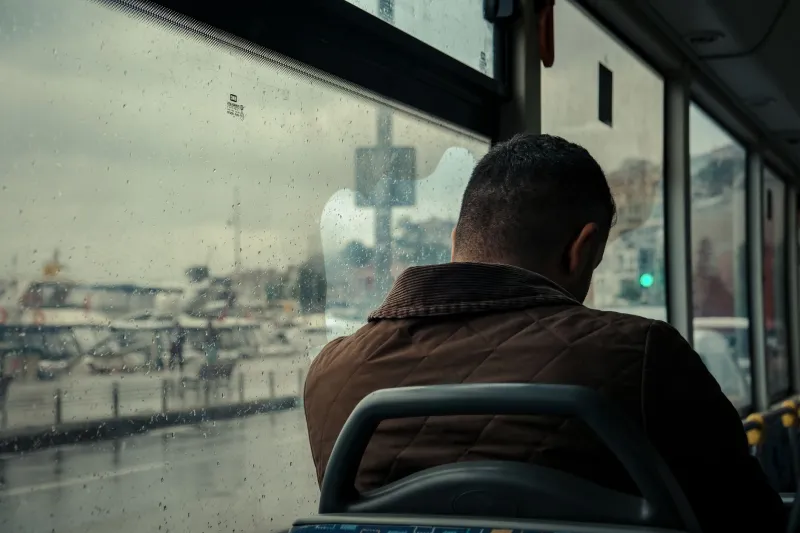
There's a trip I took to a small city in Portugal a few years back that I almost never talk about. Not because it was bad. Because, on the surface, almost nothing happened.
I read three books. I drank a lot of coffee. I watched an old man feed pigeons in the same plaza every morning at eight. I got rained on. I wandered into a grocery store and spent twenty minutes staring at unfamiliar chip flavors. I went to bed early most nights.
No hike left me breathless. No spontaneous road trip. No life-altering conversation with a stranger at a bar. By the standards of what travel is supposed to look like — by the standards of what I'd always chased — it was a dud.
And yet. That trip changed something in me more fundamentally than almost any other I'd taken. I just didn't realize it until I got home.
The Tyranny of the Peak Experience
We have a problem with how we talk about travel in this country. Scroll through any travel feed, any blog comment section, any group chat after someone gets back from two weeks abroad, and you'll see the same vocabulary repeated: life-changing, unforgettable, breathtaking, once-in-a-lifetime.
We've essentially built a performance culture around transformation. The trip has to do something to you — visibly, dramatically, in ways you can narrate at a dinner party. You need a story. Preferably one that involves a near-miss, a spiritual revelation, a local who became a lifelong friend, or at minimum a really good sunset.
The quiet trip — the one where you mostly just existed somewhere — doesn't fit that framework. So we discount it. We call it a vacation instead of a journey. We file it away as the one that didn't quite work.
But here's what I've come to believe: that framing is backward.
Boredom as a Portal
Boredom has a bad reputation, especially in American culture, where busyness is practically a virtue. We optimize our commutes, schedule our weekends, and treat any idle moment as a problem to solve with a podcast or a scroll session.
So what happens when you travel and refuse to fill every hour? When you sit in a café for two hours not because you're waiting for something, but just because you're there? When you let an afternoon go completely unplanned and don't try to rescue it?
At first, it's uncomfortable. The restlessness kicks in fast. You check your phone. You wonder if you should be doing more. You feel vaguely guilty, like you're wasting a finite resource — which, of course, you are. Time in a new place is precious. The pressure to spend it wisely is real.
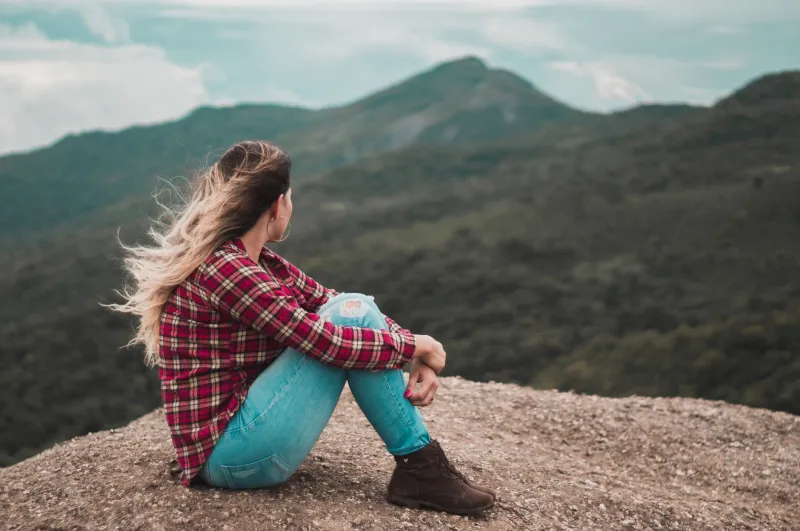
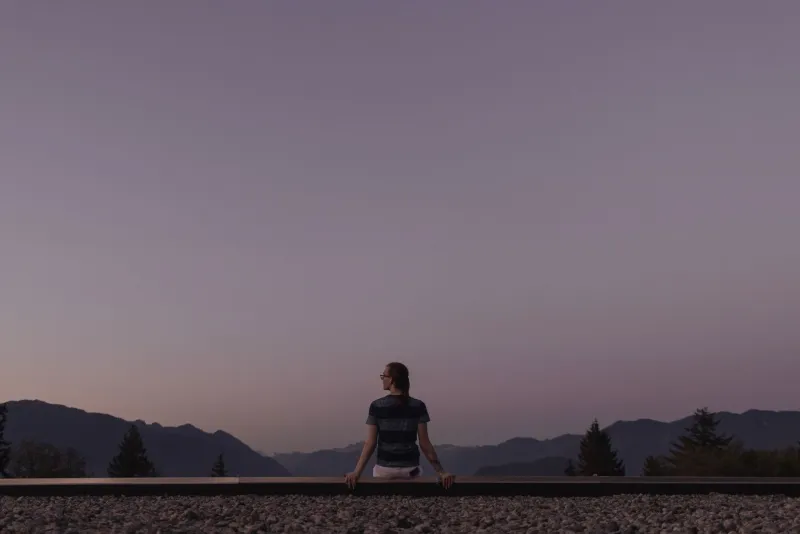
But if you sit with that discomfort instead of running from it, something interesting happens. Your attention starts to recalibrate. You notice the texture of the table. The rhythm of the street outside. The way light moves across a wall in the late afternoon. You stop performing the trip and start actually being in it.
That's not nothing. That's actually quite a lot.
What the Slow Hours Teach You
The unglamorous stretches of travel — the rainy afternoons, the hours between things, the mornings with no agenda — have a sneaky way of revealing things that the busy, curated version of the trip never could.
When you're rushing from monument to monument, checking boxes, optimizing your route, you're mostly confirming what you already expected to feel. The Eiffel Tower is impressive. The Grand Canyon is vast. The food in New Orleans is extraordinary. These are real experiences, and they matter. But they don't necessarily surprise you, because you arrived already primed for them.
The slow, boring hours are different. They're unscripted. Nobody told you to feel anything during them, so whatever surfaces is genuinely yours.
Maybe you realize you've been running from silence for years. Maybe you notice that you feel calmer than you have in months, and you start to wonder what that says about your actual life back home. Maybe you watch a woman argue cheerfully with a vendor in a language you don't speak, and something about the ordinariness of it — the way life just continues everywhere, with or without your presence — lands differently than any landmark ever has.
These aren't Instagram moments. They're interior ones. And they tend to stick.
The Radical Act of Doing Less
There's something almost countercultural about giving yourself permission to be bored on a trip you saved up for and flew across an ocean to take. It feels like waste. It feels like failure to perform.
But consider what you're actually doing when you slow down that far: you're trusting the place to be enough without being curated. You're trusting yourself to be present without an agenda. You're opting out of the relentless optimization that governs most of modern life, even — especially — on vacation.
That's not passive. That's a choice. And in a world that profits from your attention being perpetually occupied, choosing to be still is genuinely radical.
Some of the most thoughtful travelers I've met aren't the ones who've checked off the most destinations or survived the most extreme adventures. They're the ones who've learned to sit somewhere and just look. To let a place wash over them without immediately converting the experience into content or memory or proof.
The Trip That Doesn't Make the Highlight Reel
If you've had a trip that felt like a letdown — not because anything went wrong, but because nothing went dramatically right — I'd invite you to revisit it.
What did you notice during the slow parts? What did your mind drift toward when it wasn't being entertained? What felt different about your body, your pace, your sense of time? What did you think about on the long walk home from nowhere in particular?
The answers to those questions might tell you more about who you are and what you actually need than any bucket-list adventure ever has.
The trip where nothing happened might be the one that's still working on you.
Go further. Feel more. Sometimes that means going slower than you think you should, sitting still when every instinct says move, and trusting that the quiet is doing something — even when you can't see it yet.
Especially then.